Hemp Tea for Relaxation: What Actually Helps
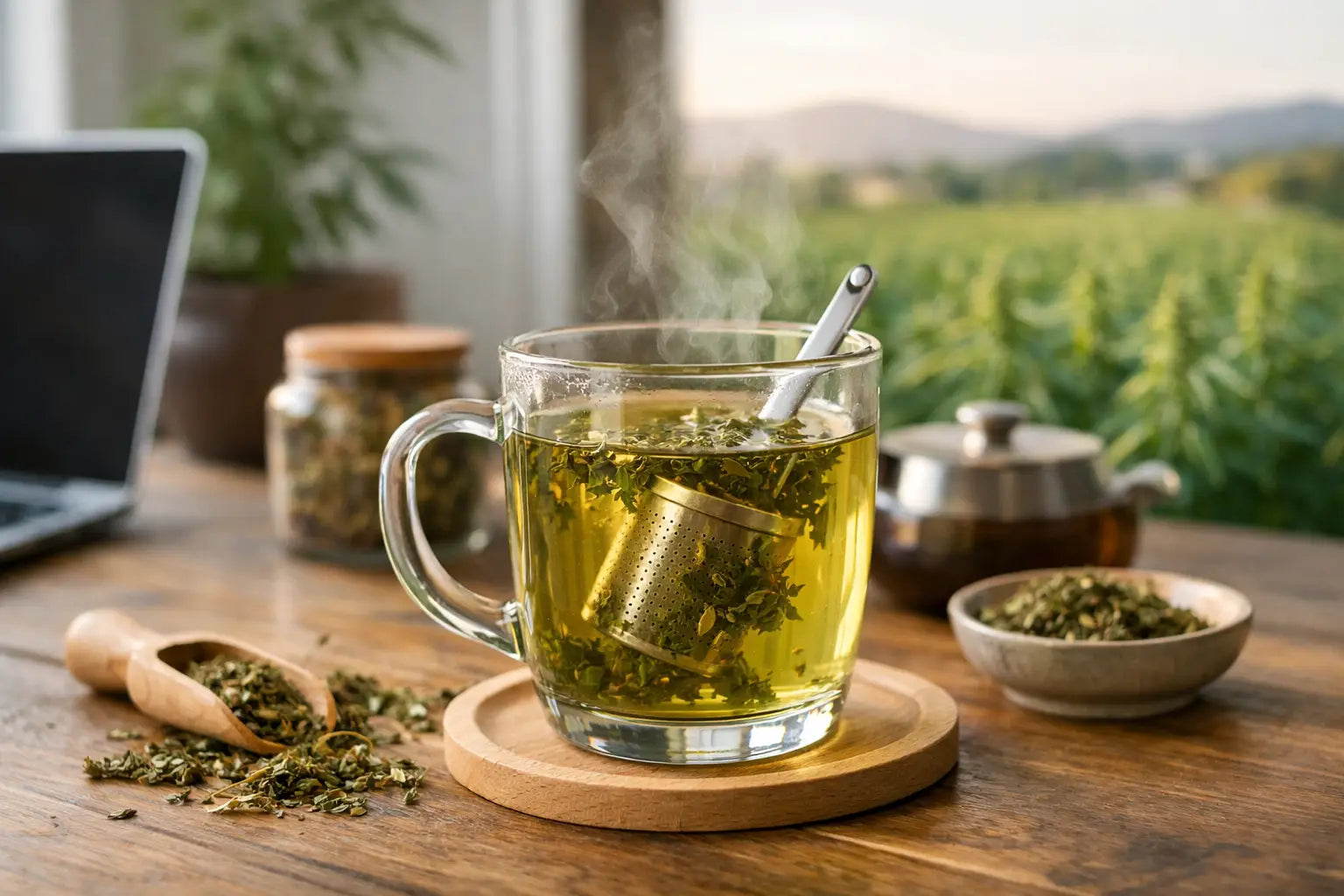
A cup of hemp tea for relaxation tends to appeal to the same person who cares about ingredient sourcing, extraction quality, and the difference between a pleasant ritual and a formula that is actually built to do something. That distinction matters. Hemp tea can be a useful part of an evening routine, but its effect depends less on the word hemp and more on the plant material, cannabinoid profile, and how the tea is prepared.
The short version is simple: hemp tea may help create a calmer state, but it is usually a subtle format. If you are expecting the depth or consistency of a well-formulated cannabinoid tincture, tea will often feel lighter. If you want a gentle botanical cue that helps the body step down from a more activated state, it can be a very reasonable choice.
Why hemp tea for relaxation feels different from other formats
Tea works on two levels at once. First, there is the sensory effect - warmth, aroma, slower pacing, fewer inputs. Second, there is the biochemical effect of the plant compounds themselves. With hemp, those compounds may include trace cannabinoids, flavonoids, and terpenes, depending on which part of the plant is used and how it was processed.
That combination is part of why hemp tea is often described as calming even when the cannabinoid dose is relatively modest. The ritual matters, but so does the chemistry. Terpenes such as myrcene, linalool, and beta-caryophyllene are often associated with a quieter physiological tone. If those compounds are present and preserved, the tea may feel more complete than an herbal tea that relies on aroma alone.
Still, there is a trade-off. Cannabinoids are not naturally water-soluble. That means a standard tea infusion is not the most efficient delivery system for compounds like CBD or CBG. You can steep hemp flower or hemp leaf in hot water, but the amount that makes it into the cup may be limited unless the product includes a carrier or a more advanced infusion method.
What hemp tea actually contains
Not every hemp tea is built the same way, and the label often tells you more than the front-of-pack language. Some products use hemp leaf, which tends to produce a mild botanical tea with relatively low cannabinoid content. Some use hemp flower, which may contain a broader range of active compounds and a more distinct terpene profile. Others blend hemp with botanicals like chamomile, lemon balm, tulsi, or lavender to shape the overall effect.
This is where expectations need to stay precise. A tea made from low-resin hemp leaf may be pleasant, but it may function more as a botanical beverage than a targeted cannabinoid product. A tea made with flower or enhanced with a hemp extract may offer a more noticeable shift. Neither approach is wrong. They simply produce different outcomes.
If the goal is relaxation, the most relevant question is not whether the tea is organic or attractively packaged, though both may matter to a discerning buyer. The more useful question is whether the formula has enough active plant material to meaningfully support a calmer nervous system and a steadier endocannabinoid tone.
How cannabinoids fit into the relaxation conversation
The endocannabinoid system helps regulate stress response, recovery, mood, and sleep-wake rhythms. When people use hemp products for relaxation, what they often want is not sedation but a reduction in friction - less mental overactivation, less physiological tension, and an easier transition into rest.
Hemp-derived cannabinoids may support that process, but context matters. CBD is often chosen because it interacts broadly with regulatory pathways involved in stress signaling and balance. CBN is sometimes included in evening formulas because it is often perceived as more settling. CBC, CBG, and acidic cannabinoids like CBDA may also contribute to the overall effect, depending on the formulation.
In tea, however, the impact of those compounds depends on both amount and delivery. A broad-spectrum hemp extract incorporated into a tea blend may offer a different experience from loose hemp leaf in a sachet. The phrase hemp tea does not tell you which one you are getting.
How to choose hemp tea for relaxation
If you are evaluating a tea with the same standards you would apply to any serious botanical product, look past the lifestyle language. Start with the ingredient list. You want to know whether the tea contains hemp leaf, hemp flower, hemp extract, or a combination. That one detail shapes potency more than almost anything else.
The second consideration is formulation logic. A thoughtful relaxation tea usually pairs hemp with botanicals that make sense physiologically, not just aesthetically. Lemon balm, chamomile, passionflower, lavender, and tulsi are common because they complement a calmer evening state. If the blend includes stimulating herbs or a substantial amount of black or green tea, the experience may be less settling than the packaging suggests.
Third, consider whether the brand discloses cannabinoid content. Many teas do not provide a meaningful amount per serving, and that is worth knowing upfront. A subtle product may still be useful, but it helps to recognize whether you are buying a functional hemp formula or a pleasant herbal tea with trace hemp content.
Organic cultivation and contaminant testing matter as well. Hemp is a bioaccumulator, which means sourcing quality is not a cosmetic detail. It is part of the product's integrity.
Brewing hemp tea for better results
The preparation method changes the experience more than most people realize. Because cannabinoids are lipophilic, they bind more readily to fat than to water. If your tea is based on hemp flower or leaf, adding a small amount of fat - whole milk, coconut milk, or another fat-containing addition - may help improve extraction. It does not turn tea into a high-potency delivery system, but it can make the cup more effective.
Steeping time matters too. A very short steep may preserve delicacy but leave useful compounds behind. A longer steep, usually around 5 to 10 minutes depending on the blend, tends to produce a fuller extraction. Covered steeping helps retain volatile aromatic compounds, including terpenes, which contribute to both scent and effect.
Temperature is another variable. Boiling water can flatten certain botanicals, while water that is too cool may under-extract the blend. Most hemp herbal teas do well with hot, just-off-boil water.
When tea is enough, and when it is not
For some people, hemp tea is exactly the right format. It creates a boundary at the end of the day. It slows the pace. It offers gentle support without feeling heavy or overly directive. If your nervous system responds well to subtle inputs, that may be sufficient.
For others, especially those under sustained cognitive load or dealing with a chronically activated baseline, tea may not provide enough cannabinoid density to create a noticeable shift. This is not a failure of the plant. It is simply a matter of dosage form. A more concentrated, well-built cannabinoid formula may be better suited to those moments, while tea remains a useful adjunct.
That distinction is central to good botanical decision-making. Ritual and pharmacology are not the same thing. The best products respect both.
Hemp tea for relaxation in a real evening routine
The most effective way to use hemp tea is with realistic timing. Drink it 30 to 60 minutes before you want the pace of the evening to change. Not at the point of exhaustion, and not while still half-working through your inbox. Tea tends to work best as a signal to the body, not as a rescue measure at the edge of overstimulation.
A consistent cup in low light, after food, with fewer screens and less mental input, usually does more than the tea alone. That does not reduce the role of the plant compounds. It puts them in the context where they are most likely to matter.
For people who already use cannabinoids in other formats, hemp tea can still have a place. It offers a slower, quieter sensory experience and can layer well with a broader evening approach. At Organic Green Roots, that systems view is the more useful one: not asking one ingredient or one format to do everything, but choosing the right plant tools for the right level of support.
A well-made hemp tea will not overpower the body into calm. It should feel more refined than that - a subtle reduction in internal noise, a little less resistance, and a more natural descent into stillness.