
How to Choose a Cannabinoid Tincture
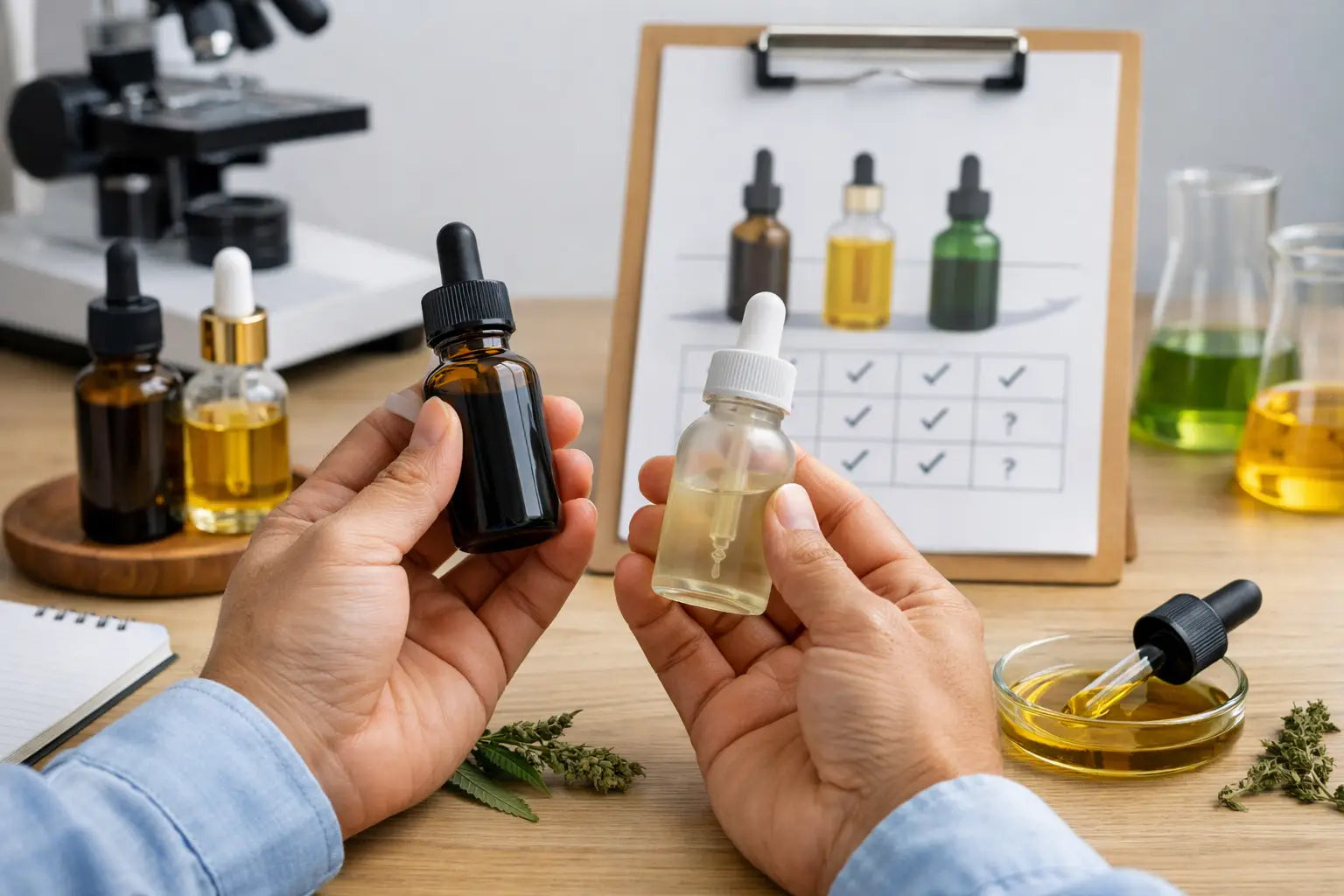
The gap between a well-formulated cannabinoid tincture and a generic one is usually invisible at first glance. Two bottles can look nearly identical, make similar claims, and sit at the same price point, while delivering very different effects in the body. If you are trying to understand how to choose cannabinoid tincture options with some precision, the real question is not which bottle is most popular. It is which formulation is built for the kind of regulatory support you actually want.
How to Choose Cannabinoid Tincture by Outcome
Start with the reason you are considering a tincture in the first place. Not a vague goal like feeling better, but a functional one such as improving evening calm, supporting deeper sleep, easing physical tension after training, or maintaining focus without overstimulation. Cannabinoid tinctures are not interchangeable because different cannabinoid profiles tend to support different outcomes.
A CBD-dominant formula is often chosen for broad endocannabinoid support and daily balance. A tincture that includes CBG may feel more appropriate for daytime use, especially when the goal is clarity, steadiness, or physical ease without heaviness. A formula with CBC may be selected when a broader spectrum profile is desired, particularly for people who respond well to layered formulations rather than a single dominant cannabinoid. CBDA and other acidic cannabinoids can also matter, especially when a brand is working with less processed plant material and preserving more of the plant's original complexity.
This is where formulation matters more than front-label marketing. A tincture designed for sleep support should not simply be a stronger version of a daytime formula. The ratio, supporting botanicals if used, and terpene profile should all reflect the intended use.
Look Beyond CBD Content Alone
One of the most common mistakes is judging a tincture only by the milligrams of CBD on the front of the bottle. Potency matters, but isolated potency rarely tells you how a product will perform.
A 1500 mg tincture can be thoughtfully balanced and effective, or blunt and one-dimensional. A lower-dose formula can be more useful if the cannabinoid profile is better constructed and the terpene content is preserved. This is because cannabinoids do not act in isolation. They interact with the endocannabinoid system, and they may also influence other signaling pathways involved in stress response, recovery, inflammation balance, and sensory regulation.
When comparing products, look at milligrams per serving rather than bottle total alone. A 30 mL bottle with 1500 mg contains 50 mg per mL. That tells you more about practical dosing than the large number on the box. If you are new to tinctures, moderate potency often offers more control. If you already know you need a more substantial serving to notice an effect, a higher-potency formula may be more efficient and cost-effective.
Full-Spectrum, Broad-Spectrum, or Isolate
If you want to know how to choose a cannabinoid tincture intelligently, spectrum is one of the first distinctions to understand.
Full-spectrum tinctures contain multiple cannabinoids and typically preserve more of the plant's native compounds, including terpenes and trace cannabinoids. For many people, this creates a more complete effect because the formula reflects how these compounds naturally work together. Broad-spectrum tinctures also include multiple cannabinoids, but are usually refined to remove certain constituents while retaining a wider profile than an isolate. Isolate-based tinctures contain one cannabinoid only, most often CBD.
There is no single best choice for every person. Full-spectrum is often preferred when someone wants the most botanically complete formula and responds well to complexity. Broad-spectrum may be a better fit when someone wants a multi-compound extract with a narrower profile. Isolate can make sense for highly specific use cases or for those who prefer a simpler input. The trade-off is that isolate products may feel less nuanced because they lack the supporting compounds that often shape the overall effect.
A sophisticated tincture is usually defined less by the headline cannabinoid and more by the integrity of the entire profile.
Terpenes Are Not Decorative
Terpenes should not be treated as fragrance notes added for marketing appeal. In a serious cannabinoid tincture, they are functional compounds that can influence the character of the formula.
For example, a tincture with myrcene, linalool, or beta-caryophyllene may feel more aligned with evening use and physical decompression. A formula built with limonene or pinene may feel more appropriate for daytime steadiness or mental clarity. The point is not that one terpene produces one outcome in a simple, linear way. It is that terpene composition helps shape how the tincture performs.
Some brands strip terpenes during processing and then add flavoring later. Others preserve native terpenes or intentionally rebuild a terpene profile that supports a specific use case. That distinction matters. A formula should have a reason for its terpene profile.
Carrier Oil Affects Absorption and Experience
The cannabinoid extract gets most of the attention, but the carrier oil deserves scrutiny. MCT oil is common because it is stable, relatively neutral, and supports absorption well. Hemp seed oil may appeal to those who want a more whole-plant orientation, though it has a different mouthfeel and slightly different formulation behavior. Olive oil is sometimes used for its stability and nutritional profile, though it is less common in cannabinoid tinctures.
The right carrier depends on priorities. MCT oil often gives a cleaner, lighter sensory experience. Hemp seed oil may feel more grounded and plant-forward. What matters most is that the carrier is fresh, stable, and appropriate for the extract concentration. Poor carrier quality can flatten the entire product, even when the cannabinoid source is strong.
Read the Lab Report With Purpose
Third-party testing is not just a trust badge. It is one of the clearest indicators of whether a tincture matches its label.
A useful certificate of analysis should confirm cannabinoid content, show the presence of relevant secondary cannabinoids when claimed, and screen for contaminants such as pesticides, heavy metals, residual solvents, and microbial issues. You do not need to read it like a chemist. You only need to verify that the brand tests thoroughly and that the numbers support the product story.
If a tincture claims to be rich in minor cannabinoids or terpenes, the report should reflect that. If a company speaks in detail about formulation but offers only vague test information, that is worth noticing. Strong brands tend to be precise because precision is part of the product itself.
Extraction and Plant Quality Still Matter
A cannabinoid tincture begins with the quality of the hemp extract. Clean cultivation, thoughtful genetics, harvest timing, and extraction method all influence the finished product.
CO2 extraction is widely used because it can produce a clean extract with good compound preservation. Ethanol extraction can also be excellent when handled well, especially for broad botanical capture. What matters is not the method in isolation, but whether it preserves desirable compounds while removing unwanted material.
This is also where source transparency matters. Hemp grown with care tends to produce a more reliable and expressive extract. If a brand can speak clearly about its plant material, extraction standards, and formulation logic, that usually signals a more considered product.
Match Potency to Your Real Use Pattern
The best tincture is one you can dose consistently. That means choosing a potency that fits your actual routine, not an abstract ideal.
If you want flexible daytime use, an extremely concentrated tincture may be harder to fine-tune. If you use cannabinoids regularly for evening support or physical recovery, a low-potency bottle may become inefficient quickly. A well-chosen tincture should allow you to adjust serving size without guessing.
Consistency matters because cannabinoid support is often cumulative. Some people notice effects quickly. Others find that daily use over time creates a steadier shift in sleep quality, stress resilience, or recovery capacity. This is another reason not to choose by marketing language alone. Choose by formulation and by whether the dosing structure makes sense for your life.
How to Choose Cannabinoid Tincture Without Being Misled
The simplest filter is this: ignore broad promises and look for formulation intelligence. A serious tincture will tell you what cannabinoids are present, how much is in each serving, what spectrum it uses, what carrier oil holds the extract, and how the product is tested. Ideally, it will also make clear why that formula exists.
Organic Green Roots approaches tinctures this way, as targeted cannabinoid systems rather than generic CBD products. That distinction is useful when you are comparing brands. The more a company understands cannabinoid profile, terpene function, and endocannabinoid support, the more likely the product will feel coherent in use.
A good tincture should not ask for blind trust. It should make its logic visible on the label, in the lab data, and in the experience of using it. Choose the bottle that respects the biology, not just the category. That is usually the one you return to.